
Safeguarding
The safety and welfare of every child and young person Wethnk works with is our highest and non-negotiable priority.
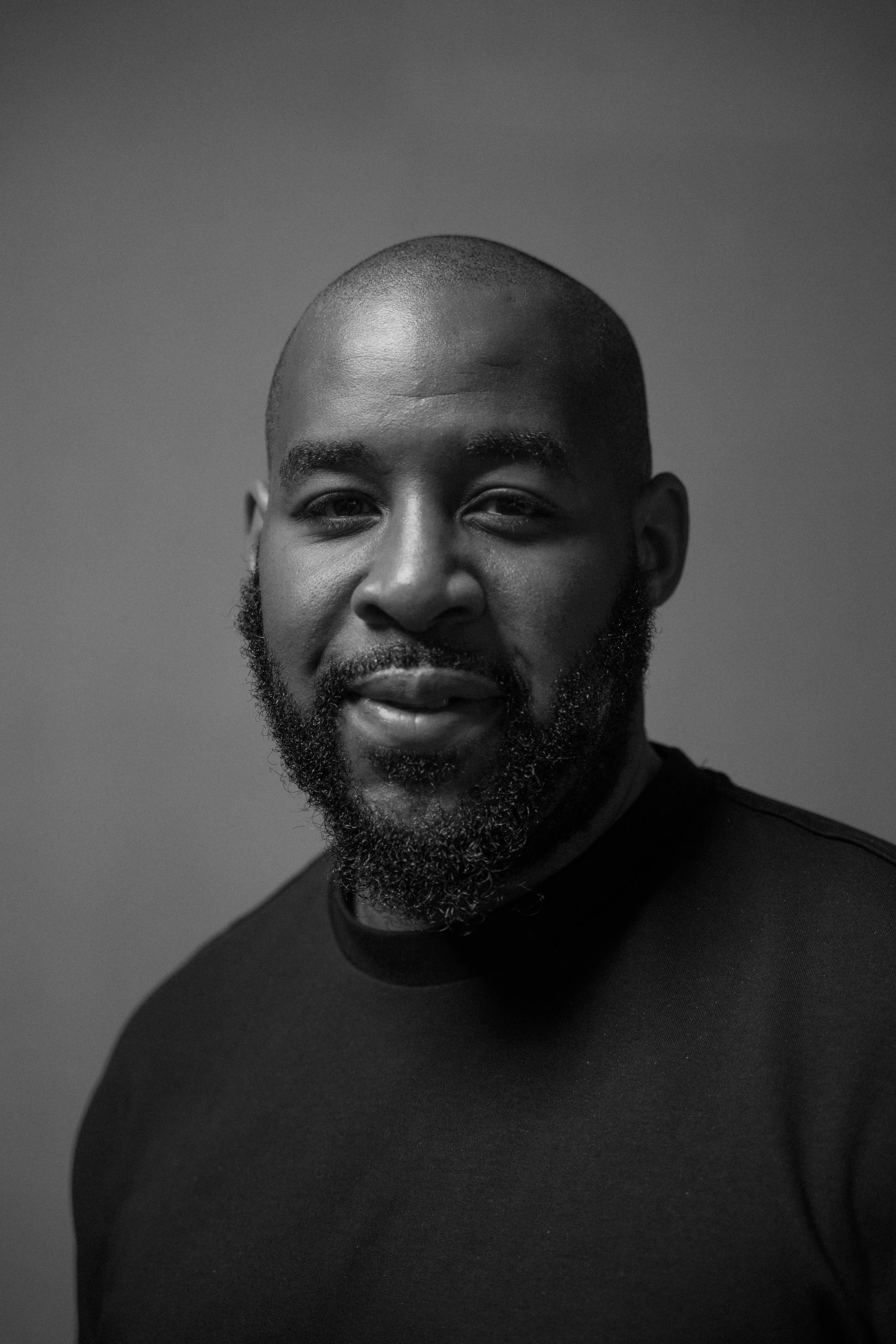
Matthew Popo, Founder
Our Commitment
At Wethnk, safeguarding is not a policy document or a compliance exercise. It is the foundation of everything we do — the first consideration in every session, every setting, and every relationship with a young person.
Wethnk was founded on the belief that every young person deserves a champion. Central to that belief is an unshakeable commitment to keeping young people safe — not just from immediate harm, but from the wider risks that can derail a young person's life when the adults around them are not paying attention.
We recognise that safeguarding is everybody's responsibility. As founder and lead practitioner at Wethnk, Matthew Popo takes personal accountability for safeguarding in every engagement he leads. When Matthew is in the room with a young person, their safety is his primary responsibility — above programme delivery, above outcomes data, and above everything else.
Our Designated Safeguarding Lead
Matthew Popo — Designated Safeguarding Lead (DSL)
Matthew holds current Designated Safeguarding Lead training, completed through Services for Education, Birmingham — a two-day specialist DSL programme covering national and local safeguarding legislation, child protection policy and practice, inter-agency working, Early Help and Child Protection referral mechanisms, managing allegations and low-level concerns, and Child Safeguarding Practice Review recommendations. Training completed 29–30 September 2025 and valid until September 2027.
Services for Education have confirmed Matthew's enhanced DBS status as part of the training certification process. His enhanced DBS is subscribed to the DBS Update Service, meaning schools and commissioners can verify his status online instantly at any time.
How We Work With Host Organisations
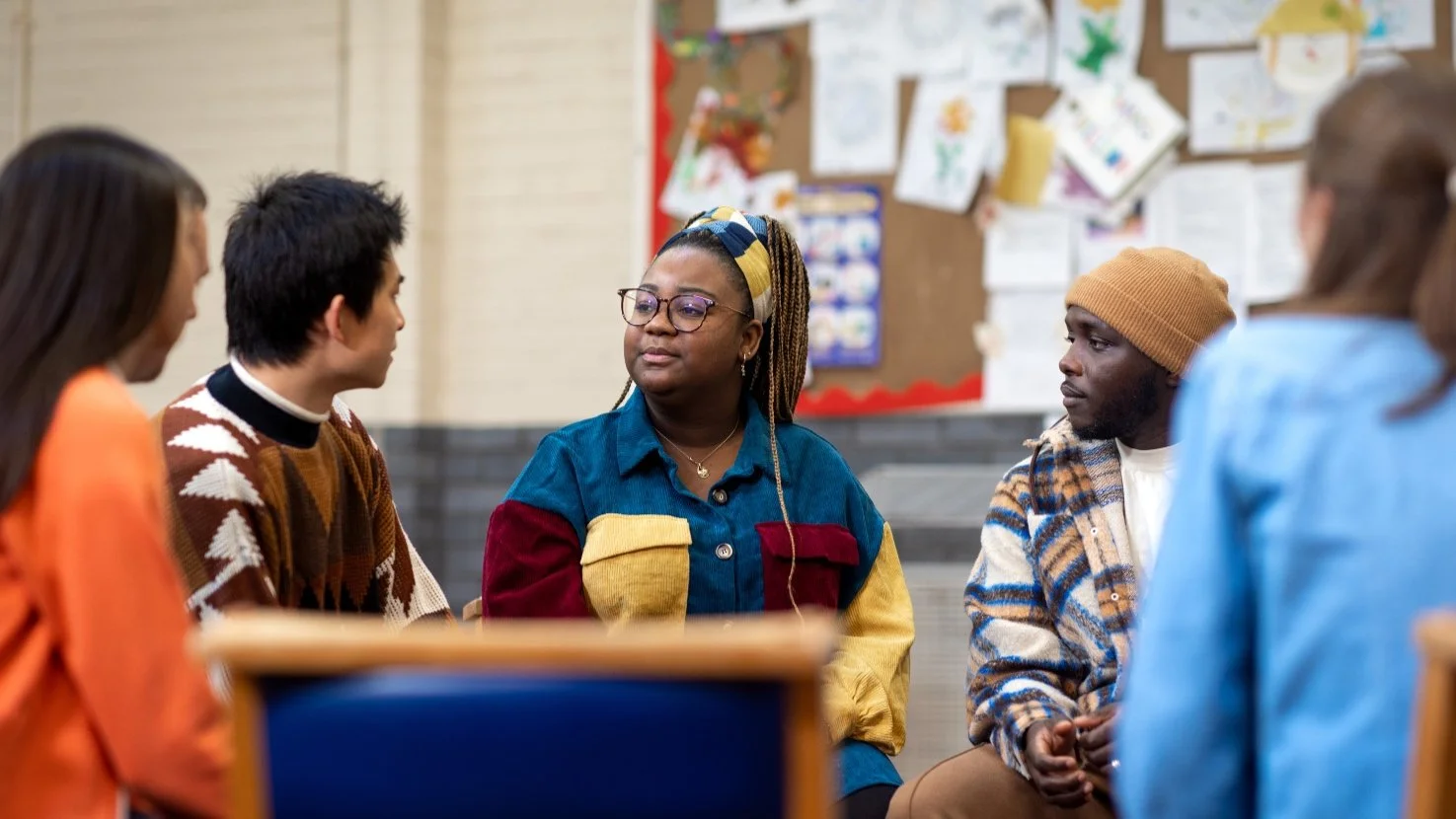
Wethnk delivers its programmes in schools, community settings, and faith venues — always working within the host organisation's own safeguarding framework and alongside their designated safeguarding arrangements.
Before any engagement begins, Matthew familiarises himself with the host organisation's safeguarding policy, designated safeguarding lead, and emergency procedures. All delivery takes place with the knowledge and involvement of the host organisation's own DSL or safeguarding lead. Matthew operates within the host organisation's physical environment and follows their site-specific safeguarding arrangements — including lone working protocols, visitor sign-in procedures, and emergency evacuation plans.
Any safeguarding concern that arises during delivery is shared with the host organisation's DSL immediately — on the same day, without delay. Where Wethnk is working in a setting without a designated safeguarding lead of its own for example, a community or faith venue — a named safeguarding contact and clear escalation route are agreed with the organisation before delivery begins.
This approach ensures that safeguarding responsibility is never held by one person alone. Wethnk brings DSL-level expertise and the host organisation brings knowledge of its setting, its young people, and its local context. Together that creates a stronger safeguarding foundation than either could provide independently.
Escalation and Statutory Referral
Where a safeguarding concern arises that requires escalation beyond the host organisation, Wethnk will work with the relevant statutory authorities without hesitation or delay.
Referral to the host organisation's DSL is the first point of escalation in all cases. Where a child is at immediate risk and the host organisation's DSL is unavailable — or where the concern relates to the DSL directly — Matthew will make a direct referral to Children's Services. Where a concern involves a person in a position of trust, including Wethnk's lead practitioner, it will be reported to the Local Authority Designated Officer (LADO) immediately. Where a child is in immediate danger, the police will be contacted without delay.
Where a young person may be at risk of radicalisation, Wethnk will consult the local authority's Prevent lead or refer to the Channel programme as appropriate — in line with Wethnk's duty under the Counter-Terrorism and Security Act 2015.
Wethnk's commitment is straightforward: if a young person's safety requires escalation, it will be escalated — to the right authority, at the right time, without hesitation. No programme, no relationship, and no other consideration takes priority over a young person's safety.
Safe Working Practice
Wethnk operates within a clear set of safe working practices in every engagement.
All sessions are delivered with the knowledge of a named adult at the host organisation — no session takes place without a responsible contact on site. One-to-one work with a young person takes place only in an observable environment or with the explicit prior agreement of the host organisation. No personal social media contact with young people — all digital communication takes place through the host organisation's own agreed channels only. Parental or guardian consent is obtained before any young person participates in a Wethnk programme, in line with the host organisation's own consent processes. All safeguarding concerns, however minor, are recorded in writing on the day they arise and retained securely until the young person's 25th birthday or as otherwise required by statutory guidance.
All associates and contractors working through Wethnk hold an enhanced DBS check before working with young people. Wethnk does not permit unsupervised access to children without DBS clearance confirmed. All individuals working with young people through Wethnk complete safeguarding awareness training before their first engagement, refreshed every two years.
Raising a Concern
If you have a concern about the welfare of a young person involved in a Wethnk programme — or about any aspect of Wethnk's safeguarding practice — please contact us directly:
If your concern relates to Wethnk's lead practitioner directly, please contact the Local Authority Designated Officer (LADO) at the relevant local authority
If a young person is in immediate danger, call 999.
Other contacts
NSPCC Helpline: 0808 800 5000
Childline: 0800 1111
CEOP (Child Exploitation and Online Protection): www.ceop.police.uk
Our Safeguarding Policy
Wethnk's full Safeguarding and Child Protection Policy is available to download below. It is reviewed annually and updated immediately following any safeguarding incident, change in statutory guidance, or significant change in personnel or organisational structure.This policy is developed in accordance with:
Children Act 1989 and 2004 | Working Together to Safeguard Children (2023) | Keeping Children Safe in Education (KCSIE 2024) | Children's Wellbeing and Schools Act 2026 | Safeguarding Vulnerable Groups Act 2006.
A Final Word
Safeguarding is sometimes talked about as though it is primarily about risk management, about policies, procedures, and compliance. At Wethnk it is something simpler and more important than that. It is about every young person knowing that the adult in the room with them is someone they can trust completely.
That is the standard Wethnk holds itself to in every session, every setting, and every relationship with a young person.
If you have any questions about Wethnk's safeguarding practice before booking a service, we welcome that conversation.
Wethnk holds a full suite of organisational policies — including Data Protection, Equality & Diversity, Health & Safety, Whistleblowing, Anti-Bribery, and Modern Slavery — all available on request. Contact us at contactus@wethnk.com and we will provide any documentation you need promptly.